
The Chevalier Affair
American PrometheusThis thread follows the proposal to share scientific information with the Soviet Union, Oppenheimer’s changing account, and the affair’s use against him.
increasing Bearing strength in each event
 decreasing
Bearing strength in each eventdecreasingA Friend’s Proposal
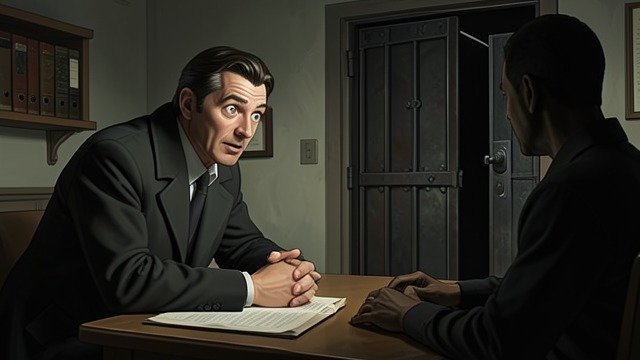
A Friend’s Proposal
An alarming conversation
Haakon Chevalier told Oppenheimer that George C. Eltenton had suggested passing scientific information to Soviet contacts. Oppenheimer objected and called the idea treasonous.
No immediate report
He viewed Chevalier as an idealistic friend rather than a spy. By choosing not to report the conversation at once, Oppenheimer made a small decision with large future consequences.
The First Account
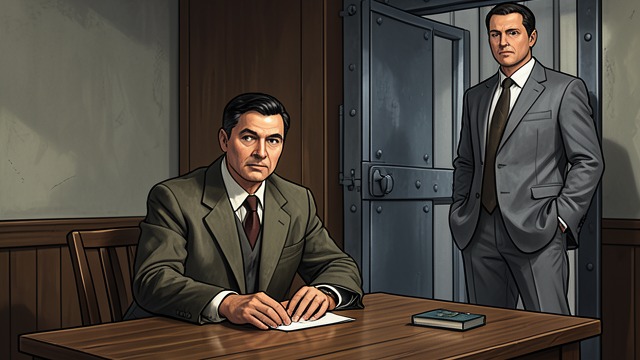
The First Account
An anxious interview
Confronted by Boris Pash, Oppenheimer described approaches to several scientists and offered details about intermediaries and microfilm. He refused to name the person he considered innocent.
A fabricated elaboration
Years later, he called the account a lie or “cock-and-bull story.” He said he had tried to alert security while protecting a friend, but his elaboration made him appear evasive.
The Name Is Disclosed
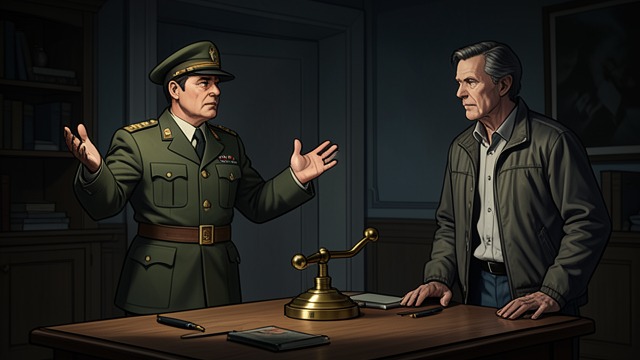
The Name Is Disclosed
A reluctant decision
Leslie Groves eventually ordered Oppenheimer to name the intermediary. Oppenheimer identified Chevalier but continued to insist that his friend was harmless.
Friendship exposed
The disclosure ended the possibility of keeping the conversation private. Chevalier was now part of the security record, and Oppenheimer’s way of handling the matter became a continuing vulnerability.
Conflicting Recollections
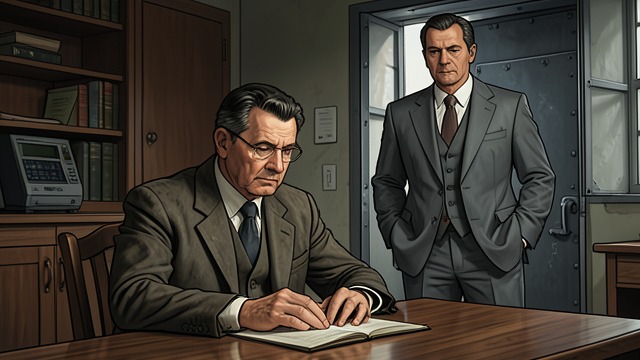
Conflicting Recollections
Parallel interrogations
The FBI questioned Chevalier and Eltenton, whose accounts agreed that Oppenheimer had rejected the proposal. They differed from Oppenheimer’s elaborate 1943 description of multiple approaches.
A story grows uncertain
The lack of contemporaneous notes and inconsistent recollections left no simple account. The FBI could not establish that Oppenheimer had passed information, but suspicion persisted.
The Affair Returns
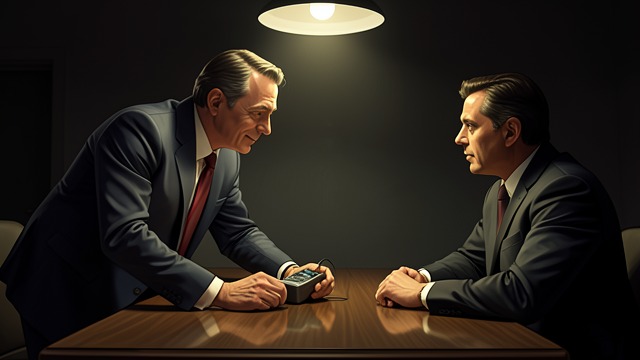
The Affair Returns
Cross-examination
Roger Robb confronted Oppenheimer with the recorded 1943 interview. Oppenheimer admitted that he had lied to Pash and accepted Robb’s framing of the elaborate story as a fabrication.
A decisive weakness
The exchange made his truthfulness, rather than espionage, the central issue. His attempt to protect a friend and manage security officials became the most damaging episode in the case.
Winter 1942–1943, at Eagle Hill
August 1943, during Oppenheimer’s meeting with Pash
December 1943, after Groves ordered disclosure
1946, during FBI interviews
1954, during the AEC security hearing
